
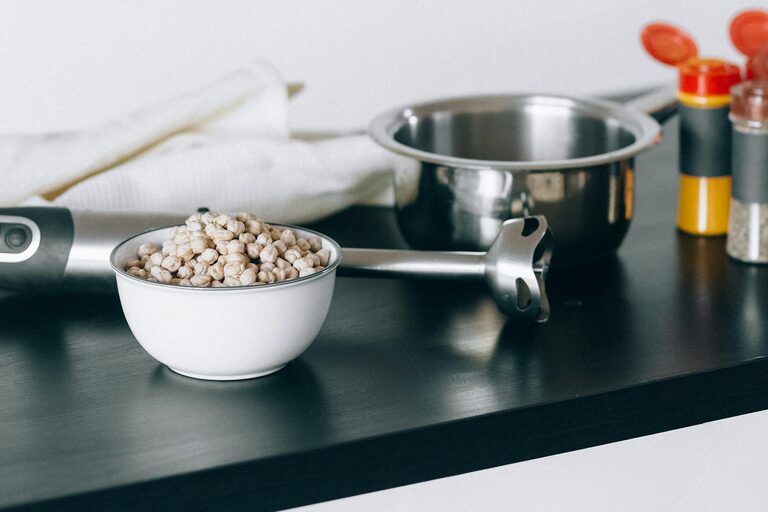
Planning meals using pantry staples is a fantastic way to save time, reduce food waste, and ease the stress of daily cooking. Whether you’re looking to stretch your grocery budget or simply want to make the most of what you already have, learning how to plan meals around pantry essentials can transform your kitchen routine.
In this post, we’ll explore how to stock your pantry wisely, how to create meal ideas from common ingredients, and tips for efficient meal planning without relying heavily on fresh groceries.
Why Use Pantry Staples for Meal Planning?
Pantry staples—think dry goods, canned items, spices, and oils—form the backbone of many meals. Because they have a long shelf life, you can keep these items on hand and whip up a meal anytime without worrying that something will spoil. Planning meals around pantry staples:
– Saves money by reducing food waste and impulse buys
– Saves time by minimizing extra shopping trips
– Encourages creativity and flexibility in cooking
– Helps ensure you have nutritious options even on busy days
How to Stock Your Pantry for Meal Success
Before planning meals, it’s important to have a well-stocked pantry. Here are some essential categories to keep on hand:
Dry Goods
– Rice (white, brown, or specialty)
– Pasta (various shapes)
– Dried beans and lentils
– Flour (all-purpose, whole wheat)
– Oats
Canned and Jarred Ingredients
– Canned tomatoes and tomato paste
– Canned beans (black beans, chickpeas, kidney beans)
– Canned vegetables (corn, mushrooms)
– Broth or stock (vegetable, chicken, or beef)
– Nut butters (peanut butter, almond butter)
– Sauces (soy sauce, hot sauce, curry paste)
Baking Essentials and Oils
– Baking powder and baking soda
– Sugar (white, brown)
– Salt and pepper
– Olive oil, vegetable oil, or other cooking oils
– Vinegars (white, apple cider, balsamic)
Spices and Flavorings
– Basic spices (cumin, paprika, chili powder, cinnamon, garlic powder)
– Dried herbs (oregano, basil, thyme, rosemary)
– Bay leaves
Step-by-Step Guide to Planning Meals from Pantry Staples
1. Take Inventory of Your Pantry
Start by listing everything you currently have. This helps identify usable ingredients and prevents buying duplicates. Group items into categories such as grains, proteins, canned goods, and spices.
2. Choose a Protein Base
Since proteins are the building blocks of most meals, decide which pantry proteins you have available. Canned beans and lentils are easy sources, as are canned tuna or salmon. Dried legumes are great too but often require soaking and longer cooking.
3. Select a Grain or Carb
Think about what grains or starchy ingredients you have on hand, such as rice, pasta, or oats. These provide substance and fill you up.
4. Plan Your Vegetables and Flavor
While fresh vegetables are ideal, canned or frozen veggies are pantry-compatible. Tomatoes, corn, or olives can add flavor and nutrition. Spices and herbs will help you turn basic ingredients into tasty dishes.
5. Build Around Recipes You Know
Draw from simple recipes that use pantry staples — like chili with beans and canned tomatoes, pasta with tomato sauce and olive oil, or rice bowls with beans and a flavorful spice mix. This simplifies decision-making.
6. Mix and Match for Variety
Combine different spices, proteins, and carbs to prevent repetition. For example, use cumin, chili powder, and tomato paste for a Mexican-style dish one day, then swap to oregano, basil, and garlic powder for Italian-inspired meals.
Easy Pantry-Staple Meal Ideas
Here are some ideas to inspire your meal planning:
Bean and Rice Burritos
– Cook rice and seasoned canned beans
– Add canned corn and salsa or hot sauce
– Wrap in tortillas (if available) or serve as a bowl
Pasta with Tomato Sauce
– Cook pasta according to package instructions
– Use canned tomatoes, garlic powder, and dried herbs for a quick sauce
– Add canned olives or a spoonful of peanut butter for richness
Lentil Stew
– Simmer dried lentils with canned tomatoes, bay leaves, and spices
– Add canned vegetables or frozen greens for extra nutrition
Chickpea Salad
– Mix canned chickpeas with olive oil, vinegar, salt, pepper, and dried herbs
– Optional: add canned corn or olives
Oatmeal with Peanut Butter and Cinnamon
– Cook oats with water or any milk you have
– Stir in peanut butter and a sprinkle of cinnamon for a cozy breakfast
Tips for Efficient Pantry-Based Meal Planning
– Keep it simple: Focus on straightforward recipes with few ingredients.
– Batch cook: Make larger portions to have leftovers for busy days.
– Update your inventory regularly: Rotate ingredients so nothing expires.
– Use meal planning apps or templates: They can help organize your ingredient list and recipes.
– Store staples properly: Keep grains and flours in airtight containers to last longer.
Conclusion
Planning meals from pantry staples is a smart, flexible way to cook that can reduce stress, save time, and keep your meals varied. By stocking your pantry with essentials and organizing your meal plans around what you have, you’ll find cooking more enjoyable and less of a chore. Next time you’re unsure what to make, start with your pantry—you’ll be surprised how many delicious meals you can create!