
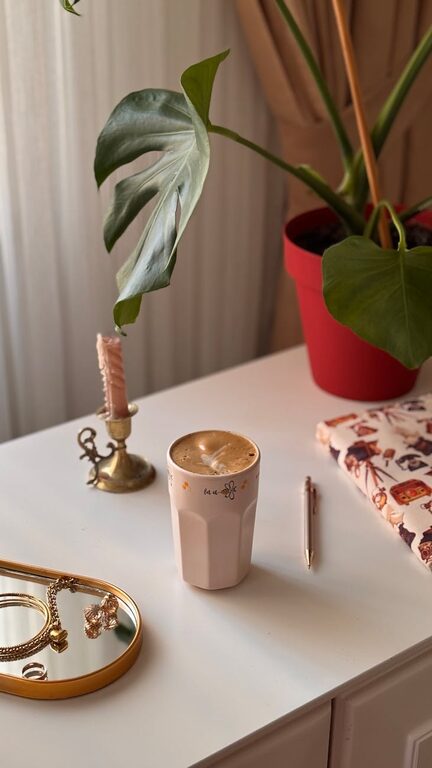
Creating a relaxing home workspace can make a significant difference in your daily productivity and overall well-being. Whether you work remotely full-time or occasionally take work home, a well-designed area that promotes calm and focus is essential. This guide offers practical advice on setting up a home workspace that feels inviting, comfortable, and helps you stay on task.
Why a Relaxing Workspace Matters
Working from home offers flexibility, but it can also blur the lines between work and personal life. A cluttered or uncomfortable workspace can increase stress and decrease motivation. In contrast, a soothing environment reduces distractions and supports mental clarity, making work feel less like a chore.
Choose the Right Location
Selecting the best spot in your home is the first step. Ideally, pick a quiet space with natural light and enough room for your needs.
– Quietness: Choose a location away from high-traffic areas to minimize noise and interruptions.
– Natural Light: Position your desk near a window if possible. Natural light can improve mood and energy.
– Space: Ensure you have room for your computer, supplies, and some personal touches.
If space is tight, consider multi-functional furniture or a fold-away desk to maximize usability.
Invest in Comfortable Furniture
The right furniture promotes good posture and comfort, reducing physical strain.
– Ergonomic Chair: Look for adjustable chairs that support your lower back.
– Desk Height: Your desk should allow your elbows to rest at a 90-degree angle when typing.
– Footrest: If needed, use a footrest to keep feet flat and legs comfortable.
Comfortable furniture encourages longer focused work sessions without discomfort.
Keep It Organized
A clutter-free desk helps maintain focus and reduces stress.
– Storage Solutions: Use shelves, drawers, or boxes to keep supplies organized.
– Minimalism: Keep only essential items on your desk.
– Cable Management: Use clips or sleeves to organize cords and reduce clutter.
Regularly declutter your workspace, at least once a week, to maintain a fresh environment.
Add Calming Elements
Incorporate items that create a peaceful atmosphere.
– Plants: Indoor plants improve air quality and add a touch of nature.
– Soft Lighting: Use lamps or string lights for warm, gentle illumination.
– Aromatherapy: Consider subtle scents like lavender or eucalyptus with a diffuser.
– Personal Touches: Include photos, artwork, or inspiring quotes that make you feel happy.
These elements can reduce anxiety and promote relaxation during work hours.
Create a Routine and Boundaries
A relaxing workspace also means fostering good work habits.
– Set Work Hours: Stick to consistent start and end times to separate work from personal life.
– Breaks: Take short breaks every hour to stretch or move around.
– No Distractions: Silence notifications or use apps to limit social media during work hours.
Establishing boundaries helps your mind associate the workspace with productivity and calm.
Use Technology Wisely
Technology can either enhance or disrupt your workflow.
– Noise-Canceling Headphones: Useful for blocking out distractions.
– Blue Light Filters: Protect your eyes from strain, especially if working late.
– Task Management Apps: Keep track of deadlines and break work into manageable tasks.
Be mindful not to overload your space with unnecessary gadgets that might create visual clutter.
Maintain Good Air Quality and Temperature
Comfort is not just about furniture; the environment matters too.
– Ventilation: Open windows when possible or use an air purifier.
– Temperature: Keep the room at a comfortable temperature, typically between 68–72°F (20–22°C).
– Humidity: A humidifier can help if your home is dry.
Good air quality and temperature support concentration and energy levels.
Personalize Without Overcrowding
Your workspace should feel uniquely yours without becoming distracting.
– Color Scheme: Choose soothing colors like pale blue, green, or neutral tones.
– Decor: Select a few meaningful items that inspire or calm you.
– Flexibility: Allow space for changing or rotating decorations periodically.
This personalization helps create a space that invites you to work willingly.
Final Thoughts
A relaxing home workspace combines comfort, organization, and personal touches tailored to your needs. By thoughtfully designing your environment, you can improve focus, reduce stress, and enjoy your workday more. Start small—adding one or two changes at a time—and gradually build a space that feels just right for you.
With a calming workspace, work won’t just be another task — it will be a more pleasant part of your daily routine.