
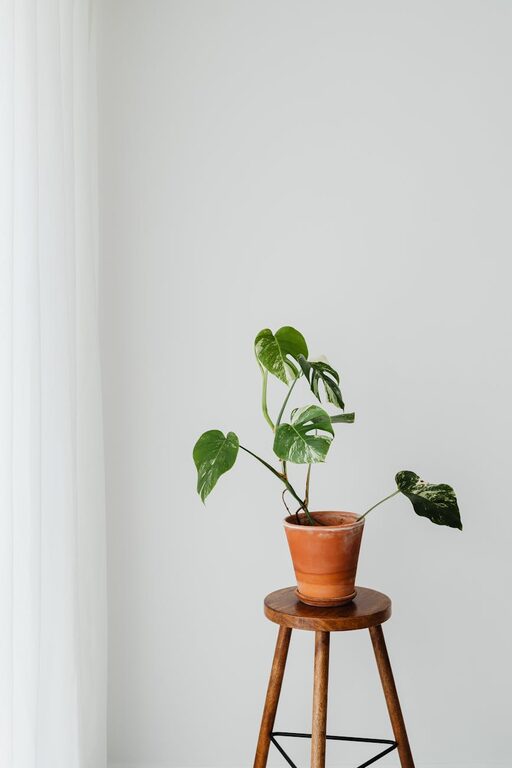
Bringing plants into your home is a wonderful way to refresh your space, add life, and create a calming atmosphere. Whether you’re a seasoned plant parent or new to indoor gardening, incorporating greenery is easier than you think. In this post, we’ll explore practical tips for choosing, arranging, and caring for plants to help you turn your home into a vibrant, natural oasis.
Why Add Plants to Your Home?
Plants do more than beautify a room. They improve air quality, increase humidity, and can even boost your mood. Adding greenery helps soften corners, split up large areas, and introduce texture and color.
Beyond aesthetics, caring for plants can be a relaxing hobby. Watching your plants grow brings a sense of accomplishment and connection to nature, no matter where you live.
Choosing the Right Plants for Your Space
Consider Lighting Conditions
One of the most important factors when selecting plants is the amount of natural light available. Some plants thrive in bright, direct sunlight, while others prefer indirect light or shade.
– Bright Light: Succulents, fiddle leaf figs, and snake plants.
– Medium Light: Pothos, peace lilies, spider plants.
– Low Light: ZZ plants, philodendrons, cast iron plants.
Take note of the windows and shade patterns in your rooms to find plants that will thrive.
Think About Maintenance
If you’re a beginner or have a busy schedule, look for low-maintenance plants requiring minimal watering and care. Succulents and snake plants are known for their hardiness, while ferns and calatheas may require more attention.
Size and Space
Measure the area where you plan to place plants. Some grow tall and need space, while others are perfect for tabletops or shelves. Consider trailing plants for hanging baskets or shelves to add vertical interest.
Styling Your Plants at Home
Group Plants Together
Creating a dedicated green corner or grouping plants by size and type can make a big visual impact. Use matching pots or mix styles for a more eclectic feel.
Use Different Levels
Try varying heights to add dimension. Use plant stands, shelves, or stack books to elevate smaller pots. Hanging plants can fill empty overhead spaces.
Pair with Decor
Choose pots and planters that complement your home’s style—from sleek ceramic to rustic terracotta. Adding decorative pebbles or moss on top of the soil gives a polished look.
Simple Plant Care Tips for a Healthy Home Garden
Water Wisely
Overwatering is one of the most common plant killers. Check the soil moisture before watering and follow guidelines specific to each plant type.
Provide Adequate Light
If you don’t have great natural light, consider using grow lights. They can help maintain plant health, especially in darker rooms or during winter months.
Feed Your Plants
Use a balanced, water-soluble fertilizer during the growing season to encourage lush leaves and blooms. Be cautious not to over-fertilize.
Keep Plants Clean
Dust your plant leaves regularly to ensure they can photosynthesize efficiently. Wipe them gently with a damp cloth or give them a quick rinse in the shower if possible.
Creative Plant Ideas to Refresh Your Home
Start a Mini Herb Garden
Herbs like basil, mint, and rosemary not only look pretty on windowsills but are handy for cooking.
Try Terrariums
Glass terrariums are perfect for small spaces and create a neat little ecosystem for air plants, moss, and succulents.
Use Air Plants
These unique plants don’t require soil, so you can display them creatively on driftwood, in glass globes, or mounted on walls.
Add a Statement Plant
A large fiddle leaf fig or monstera can serve as a focal point in a living room or entryway, instantly refreshing the space.
Final Thoughts
Refreshing your home with plants is a rewarding way to enhance your living environment. By choosing plants that suit your space and lifestyle, styling them thoughtfully, and providing proper care, you can enjoy a greener, more inviting home all year round.
Start small and enjoy the process—plants bring a unique warmth and vitality that’s hard to beat! Happy planting!